
We diagnose the failure. Then we fix it.
Every service is scoped around the failure mode — the water path, the failed seal, the structural rot — not the material we happen to be installing.
What we fix and why
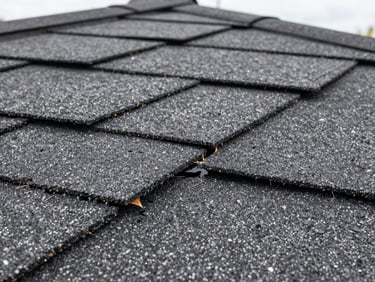
Water entry at the deck level
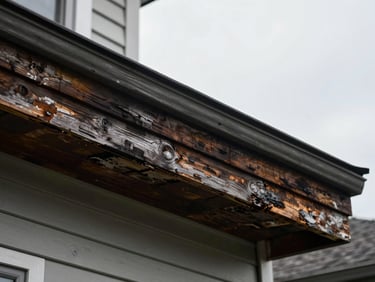
Structural rot behind the cladding
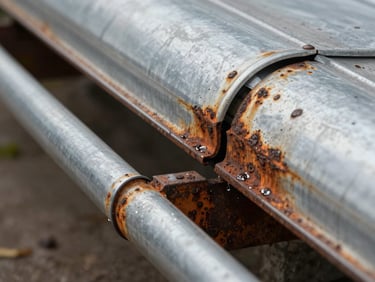
Misdirected drainage at the foundation
Lifted flashing and failed ice-dam barriers let water reach the sheathing long before a visible ceiling stain appears. We trace the path and reseal at the source.
Failed lap joints and breached housewrap let moisture into the wall cavity. We remove, inspect, and replace substrate where needed — not just the visible panel.
Sagging runs and failed end caps send water directly against the foundation. We re-pitch, reseal joints, and extend downspouts to verified discharge points.
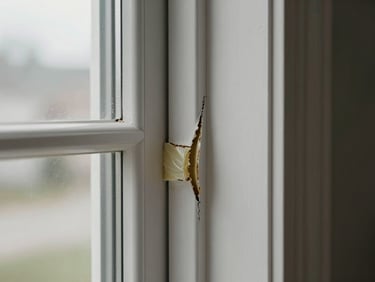
Thermal loss and frame air infiltration
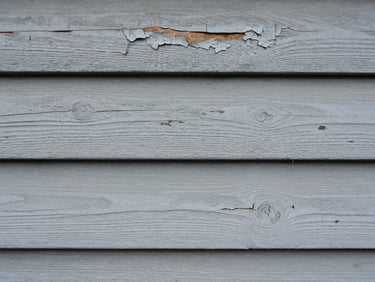
Surface failure from trapped moisture
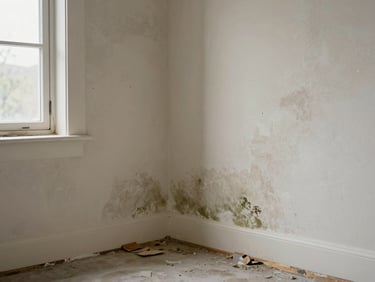
Damage the exterior let in
Water intrusion that reached the interior is scoped as a continuation of the exterior repair — same contract, same crew, documented from the opening cut to the finished wall.
Fogged glass and cracked perimeter seals signal broken thermal barriers. We document each opening's air-infiltration reading before and after replacement.
Paint doesn't fail randomly. We identify the moisture source driving adhesion loss before prep begins — otherwise the next coat fails the same way.
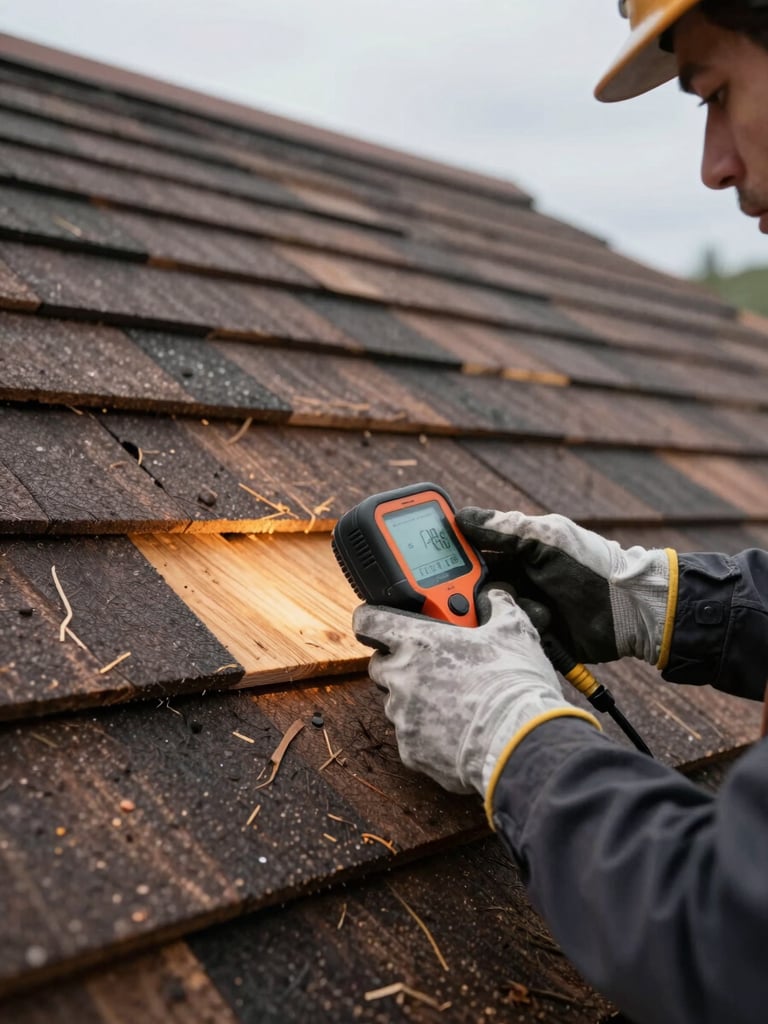
Every phase on record before we close the wall
Each job generates a written scope with photos at the damage-found stage, the repair stage, and the completed stage. You receive the full record — not just the invoice.
Six trades, one point of contact. No hand-offs to subcontractors who weren't part of the original diagnosis.
Tell us what failed. We'll scope the fix.
Send a description of what you're seeing. We respond with a documented scope — not a ballpark estimate that changes on arrival.